Wanna share with, well, everybody? Log In

Exploring the Iconic Leaning Tower of Pisa in Tuscany, Italy 🇮🇹✨
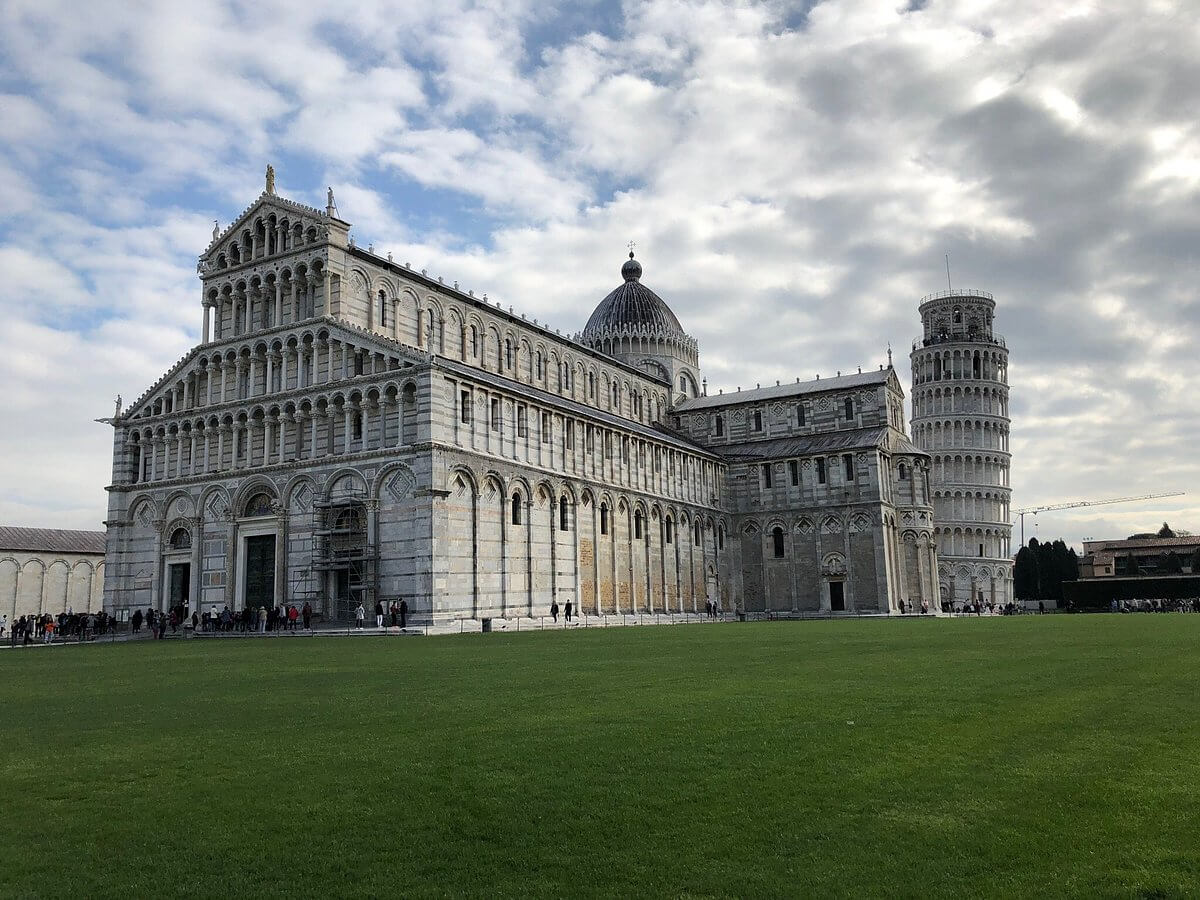
Hey everyone! It’s Brian and Aubrey here, and today we’re excited to take you on a journey to one of the most famous landmarks in the world – the Leaning Tower of Pisa. This iconic tower, known for its remarkable tilt, is a must-visit destination for anyone traveling through Tuscany. Whether you’re a history buff, an architecture enthusiast, or simply looking to capture that perfect photo, the Leaning Tower of Pisa offers an unforgettable experience. Ready to explore? Let’s dive in! 🌟🏛️
A Glimpse into History 📜
The Leaning Tower of Pisa, or Torre Pendente di Pisa, is the freestanding bell tower of the cathedral in Pisa. Construction began in 1173 and was completed in 1372. The tilt began during construction due to an unstable foundation, giving the tower its iconic lean. Over the centuries, various efforts have been made to stabilize the tower, which now stands as a testament to the ingenuity and perseverance of medieval engineers. For more details, visit the official site. 🏰
Arrival and First Impressions 🚶♀️
Getting There
Pisa is easily accessible by train from Florence and other major cities in Tuscany. The train station is just a short walk or bus ride from the Piazza dei Miracoli, where the tower is located.
Travel Tip: Pisa is a very walkable city, so wear comfortable shoes and take your time to explore the charming streets as you make your way to the tower. 🚶♂️👟
First Impressions
As you approach the Piazza dei Miracoli, the first thing that strikes you is the stunning white marble of the Leaning Tower against the vibrant green grass of the square. The tower, along with the cathedral and baptistery, creates a breathtaking scene that feels like stepping into a postcard.
Highlight: The sight of the Leaning Tower of Pisa in person, with its dramatic tilt and intricate architecture. 🌟
Morning: Exploring the Piazza dei Miracoli 🌟
Climbing the Tower
Start your visit with a climb to the top of the Leaning Tower. The 294-step spiral staircase leads you to the top, where you can enjoy panoramic views of Pisa and the surrounding countryside.
Photo Opportunity: Capture the stunning views from the top of the tower, as well as the unique perspective of looking down the tilted structure. 📸
The Cathedral and Baptistery
Next, explore the Pisa Cathedral (Duomo di Pisa) and the Baptistery, both located in the Piazza dei Miracoli. The cathedral’s stunning Romanesque architecture and the baptistery’s unique acoustics make these sites a must-see.
Highlight: The beautiful interior of the cathedral, with its intricate mosaics and impressive columns. 🏛️
Exploration Tip: Take a moment to stand in the center of the baptistery and listen to the remarkable echo created by its dome. 🎧
Midday: Dining and Reflections 🌆
Lunch at Osteria dei Cavalieri
For lunch, head to Osteria dei Cavalieri, a charming restaurant located in the historic center of Pisa. This cozy spot offers a delicious menu of traditional Tuscan dishes, prepared with fresh, local ingredients.
Menu Highlights: Try the pappardelle al cinghiale (wild boar pasta) or the ribollita (Tuscan bread soup), paired with a glass of local Chianti. And don’t miss the cantucci e vin santo for dessert! 🍝🍷
Culinary Tip: Make a reservation in advance to secure a table, as this popular restaurant is often busy. 🍽️
Afternoon: Exploring Pisa’s Historic Center 🌍
Piazza dei Cavalieri
After lunch, take a leisurely stroll to Piazza dei Cavalieri, one of Pisa’s most beautiful squares. This historic square was once the political center of medieval Pisa and is home to the stunning Palazzo della Carovana and the Church of Santo Stefano dei Cavalieri.
Highlight: The intricate facade of the Palazzo della Carovana, designed by Giorgio Vasari. 🌟
Photo Opportunity: Capture the stunning architecture and the vibrant atmosphere of the square. 📸
The Arno River and Ponte di Mezzo
Next, head to the Arno River and take a walk along its banks. The picturesque views of the river and the historic buildings that line its shores are a perfect way to end your day in Pisa.
Exploration Tip: Cross the Ponte di Mezzo for a beautiful view of the river and the city. 🎧
Evening: Sunset and Reflections 🌅
As the day winds down, find a spot near the Leaning Tower or along the Arno River to watch the sunset. The golden light reflecting off the white marble creates a magical atmosphere.
Highlight: The view of the sunset over the Piazza dei Miracoli, casting a warm glow over the tower and the cathedral. 🌄
Photo Opportunity: Capture the stunning sunset and the twinkling lights of Pisa starting to appear. 📸
Final Thoughts 💭
Visiting the Leaning Tower of Pisa is more than just a trip to a famous landmark; it’s an immersive experience that brings you closer to the rich history and vibrant culture of Tuscany. From the awe-inspiring architecture and fascinating history to the delicious cuisine and beautiful landscapes, every moment in Pisa is filled with wonder and inspiration.
Until next time, keep exploring, stay curious, and let the beauty of history and culture inspire your travels.
Love,
Brian and Aubrey 🌍💕
Log In to comment on this post!
Related Content
Discovering the Breathtaking Views from Piazzale Michelangelo in Florence, Tuscany, Italy 🇮🇹✨
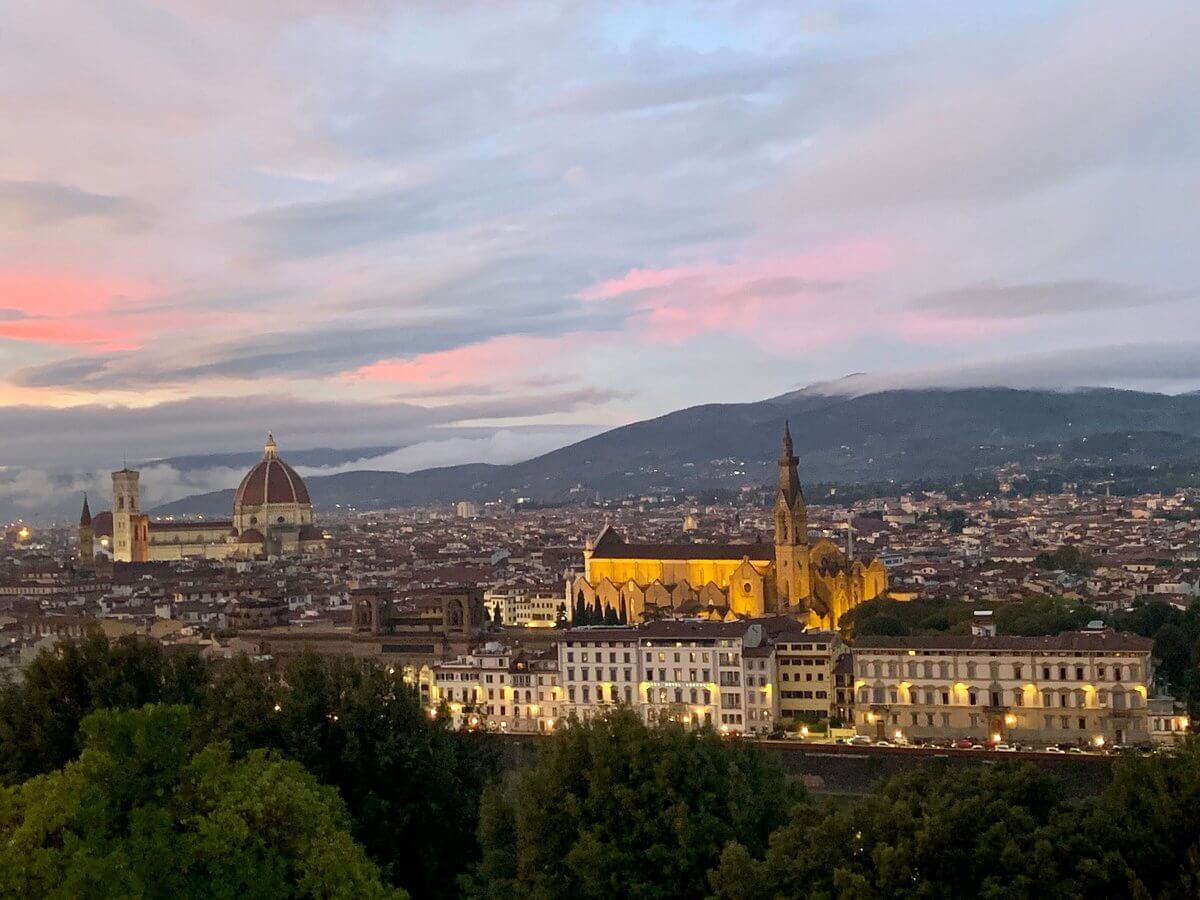
Hey everyone! It’s Brian and Aubrey here, and today we’re taking you on a journey to one of the most stunning viewpoints in Florence – Piazzale Michelangelo. Perched on a hill, this famous square offers panoramic views of the city’s iconic landmarks and the surrounding Tuscan countryside. Whether you’re a history buff, an art lover, or simply looking to capture that perfect photo, Piazzale Michelangelo is a must-visit destination. Ready to explore? Let’s dive in! 🌟🏛️
A Glimpse into History 📜
Piazzale Michelangelo was designed in 1869 by architect Giuseppe Poggi as part of the city’s redevelopment. It was created as a tribute to the Renaissance artist Michelangelo, and a bronze replica of his famous David statue stands proudly in the center of the square. The piazzale offers breathtaking views of Florence’s historic center, making it a popular spot for both tourists and locals. For more details, visit the official site. 🏰
Arrival and First Impressions 🚶♀️
Getting There
Piazzale Michelangelo is easily accessible by foot, car, or public transport. You can take a scenic walk from the city center, hop on a bus (line 12 or 13), or drive up to the square where there is parking available.
Travel Tip: For a more memorable experience, consider walking up from the city center through the lush gardens and scenic paths. 🚶♂️🌿
First Impressions
As you arrive at Piazzale Michelangelo, the first thing that strikes you is the expansive view of Florence spread out before you. The red-tiled roofs, the iconic Duomo, and the winding Arno River create a picture-perfect scene that feels almost unreal.
Highlight: The sweeping panoramic view of Florence, with its stunning architectural landmarks and the rolling hills of Tuscany in the distance. 🌟
Morning: Exploring Piazzale Michelangelo 🌟
The Viewpoint
Start your visit by taking in the views from the piazzale’s main terrace. The vista is breathtaking, offering a unique perspective of Florence’s most famous landmarks, including the Duomo, Palazzo Vecchio, and Ponte Vecchio.
Photo Opportunity: Capture the stunning panoramic view of Florence, with the city’s iconic skyline and the Arno River glistening in the morning light. 📸
The Bronze David
Next, admire the bronze replica of Michelangelo’s David that stands in the center of the square. This statue is a tribute to the original masterpiece, which is housed in the Galleria dell’Accademia.
Highlight: The impressive bronze David, a symbol of Florence’s rich artistic heritage. 🏛️
Exploration Tip: Take your time to walk around the statue and appreciate its details, as well as the views from different angles. 🎧
Midday: Dining and Reflections 🌆
Lunch at La Loggia
For lunch, head to La Loggia, a charming restaurant located near Piazzale Michelangelo. This elegant spot offers a delicious menu of traditional Tuscan dishes, with a terrace that provides stunning views of Florence.
Menu Highlights: Try the pappardelle al cinghiale (wild boar pasta) or the ribollita (Tuscan bread soup), paired with a glass of local Chianti. And don’t miss the tiramisu for dessert! 🍝🍷
Culinary Tip: Make a reservation in advance to secure a table on the terrace for the best views. 🍽️
Afternoon: Surrounding Attractions 🌍
San Miniato al Monte
After lunch, take a short walk to the nearby Basilica of San Miniato al Monte, one of Florence’s most beautiful churches. The basilica’s Romanesque architecture and stunning frescoes are a must-see.
Highlight: The serene atmosphere of the basilica and the beautiful views from its terrace. 🏛️
Photo Opportunity: Capture the intricate details of the basilica’s facade and the stunning views from the church grounds. 📸
The Rose Garden
Next, visit the Rose Garden, located just below Piazzale Michelangelo. This charming garden is filled with beautiful roses and offers a peaceful retreat with wonderful views of Florence.
Exploration Tip: Spend some time wandering through the garden, enjoying the flowers and the tranquil atmosphere. 🎧
Evening: Sunset and Reflections 🌅
As the day winds down, find a spot at Piazzale Michelangelo to watch the sunset. The golden light reflecting off the city’s historic buildings creates a magical atmosphere.
Highlight: The view of the sunset over Florence, casting a warm glow over the city and its landmarks. 🌄
Photo Opportunity: Capture the stunning sunset and the twinkling lights of Florence starting to appear. 📸
Final Thoughts 💭
Visiting Piazzale Michelangelo is more than just a trip to a viewpoint; it’s an immersive experience that brings you closer to the beauty and history of Florence. From the awe-inspiring panoramic views and fascinating landmarks to the delicious cuisine and serene gardens, every moment at Piazzale Michelangelo is filled with wonder and inspiration.
Until next time, keep exploring, stay curious, and let the beauty of history and culture inspire your travels.
Love,
Brian and Aubrey 🌍💕
Log In to comment on this post!

Discovering the Splendor of Piazza del Campo in Siena, Tuscany, Italy 🇮🇹✨
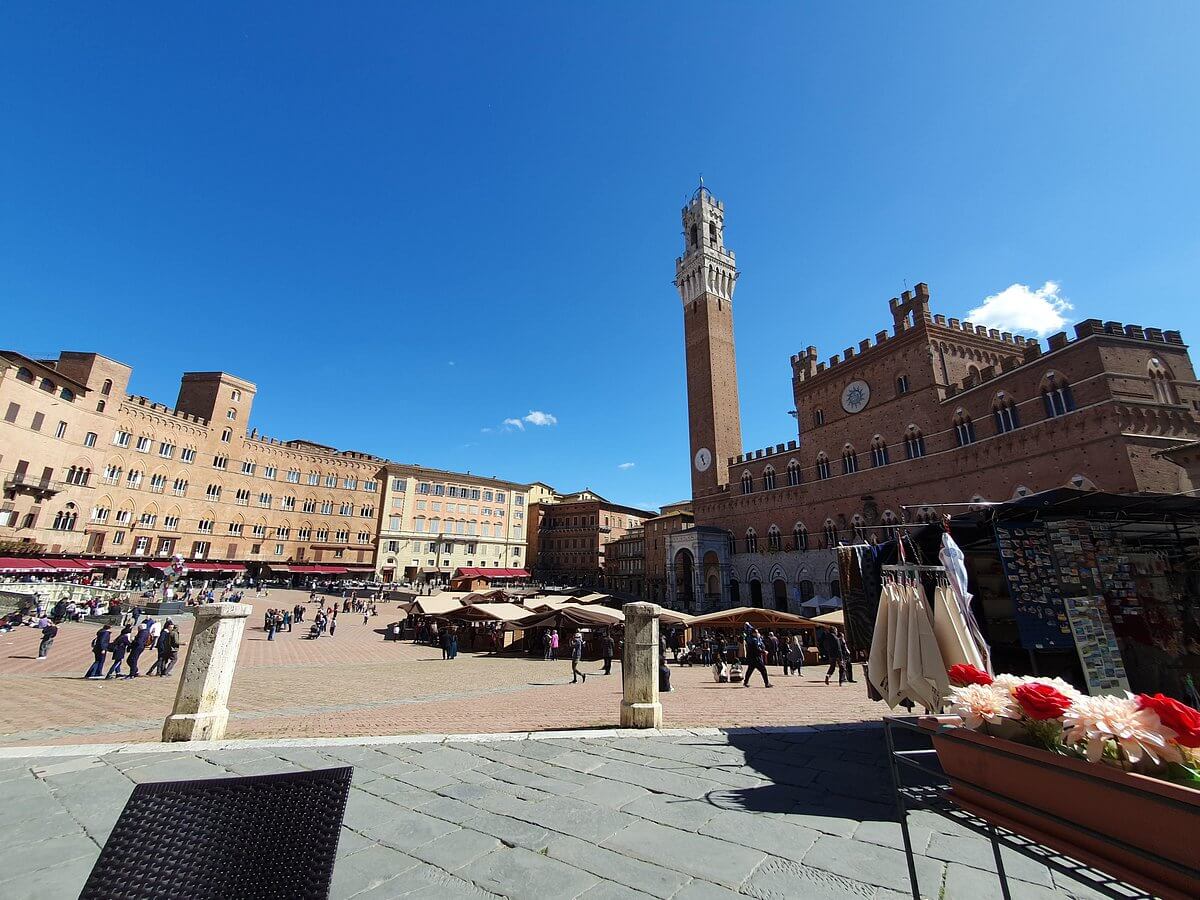
Hey there, fellow travelers! Simon Pitts here, and today we’re heading to the heart of one of Tuscany’s most charming cities – Siena. Our destination is the stunning Piazza del Campo, one of the most beautiful medieval squares in Italy. Whether you’re a history enthusiast, an architecture lover, or just looking to immerse yourself in the vibrant culture of Tuscany, Piazza del Campo is a must-visit. Ready to explore? Let’s dive in! 🌟🏛️
A Glimpse into History 📜
Piazza del Campo has been the focal point of Siena’s public life since the 13th century. Its unique shell shape and harmonious design make it one of the most remarkable squares in Europe. The piazza is surrounded by beautiful medieval buildings, including the majestic Palazzo Pubblico and the Torre del Mangia. It’s also the site of the famous Palio di Siena, a thrilling horse race held twice a year. For more details, visit the official site. 🏰
Arrival and First Impressions 🚶♂️
Getting There
Siena is easily accessible by train or bus from Florence and other major cities in Tuscany. From the train station, you can take a local bus or a short taxi ride to the historic center and Piazza del Campo.
Travel Tip: Siena’s historic center is pedestrian-only, so wear comfortable shoes and get ready to explore on foot. 🚶♀️👟
First Impressions
As you enter Piazza del Campo, the first thing that strikes you is its vast, open space and the gentle slope that gives it its distinctive shell shape. The piazza is bustling with life, from locals enjoying a coffee to tourists taking in the sights.
Highlight: The harmonious blend of medieval architecture and the lively atmosphere that fills the square. 🌟
Morning: Exploring Piazza del Campo 🌟
Torre del Mangia
Start your visit by climbing the Torre del Mangia, one of the tallest medieval towers in Italy. The 400-step climb is well worth the effort, as the panoramic views from the top are absolutely breathtaking.
Photo Opportunity: Capture the stunning views of Siena and the surrounding Tuscan countryside from the top of the tower. 📸
Palazzo Pubblico and the Civic Museum
Next, visit the Palazzo Pubblico, Siena’s historic town hall, which houses the Civic Museum. The museum is home to beautiful frescoes, including the famous “Allegory of Good and Bad Government” by Ambrogio Lorenzetti.
Highlight: The intricate frescoes and the grand architecture of the Palazzo Pubblico. 🖼️
Exploration Tip: Take your time to appreciate the details of the frescoes and learn about their historical significance. 🎧
Midday: Dining and Reflections 🌆
Lunch at Antica Trattoria Papei
For lunch, head to Antica Trattoria Papei, a traditional Sienese restaurant located just a short walk from Piazza del Campo. This cozy spot offers a delicious menu of Tuscan dishes, prepared with fresh, local ingredients.
Menu Highlights: Try the pici al cinghiale (wild boar pasta) or the ribollita (Tuscan bread soup), paired with a glass of local Chianti. And don’t miss the ricciarelli, traditional Sienese almond cookies, for dessert! 🍝🍷
Culinary Tip: Make a reservation in advance to secure a table, as this popular restaurant is often busy. 🍽️
Afternoon: Surrounding Attractions 🌍
Siena Cathedral (Duomo di Siena)
After lunch, take a short walk to the Siena Cathedral, one of the most impressive Gothic churches in Italy. The cathedral’s striking black and white striped facade and its stunning interior, filled with masterpieces by artists such as Michelangelo and Donatello, are a must-see.
Highlight: The beautiful marble floors and the intricate mosaics inside the cathedral. 🌟
Photo Opportunity: Capture the grandeur of the cathedral’s facade and the stunning details inside. 📸
Libreria Piccolomini
Next, visit the Libreria Piccolomini, located inside the cathedral. This beautiful library is decorated with vibrant frescoes that depict scenes from the life of Pope Pius II.
Exploration Tip: Don’t forget to look up and admire the stunning ceiling, which is just as beautiful as the frescoes on the walls. 🎧
Evening: Sunset and Reflections 🌅
As the day winds down, find a spot in Piazza del Campo to watch the sunset. The golden light reflecting off the medieval buildings creates a magical atmosphere.
Highlight: The view of the sunset over Piazza del Campo, casting a warm glow over the square and its historic buildings. 🌄
Photo Opportunity: Capture the stunning sunset and the twinkling lights of Siena starting to appear. 📸
Final Thoughts 💭
Visiting Piazza del Campo is more than just a trip to a historic square; it’s an immersive experience that brings you closer to the rich history and vibrant culture of Tuscany. From the awe-inspiring architecture and fascinating history to the delicious cuisine and beautiful landscapes, every moment in Siena is filled with wonder and inspiration.
Until next time, keep exploring, stay curious, and let the beauty of history and culture inspire your travels.
Cheers,
Simon Pitts 🌍✨
Log In to comment on this post!

Exploring the Enigmatic Beauty of Museo Cappella Sansevero in Naples, Italy 🇮🇹✨
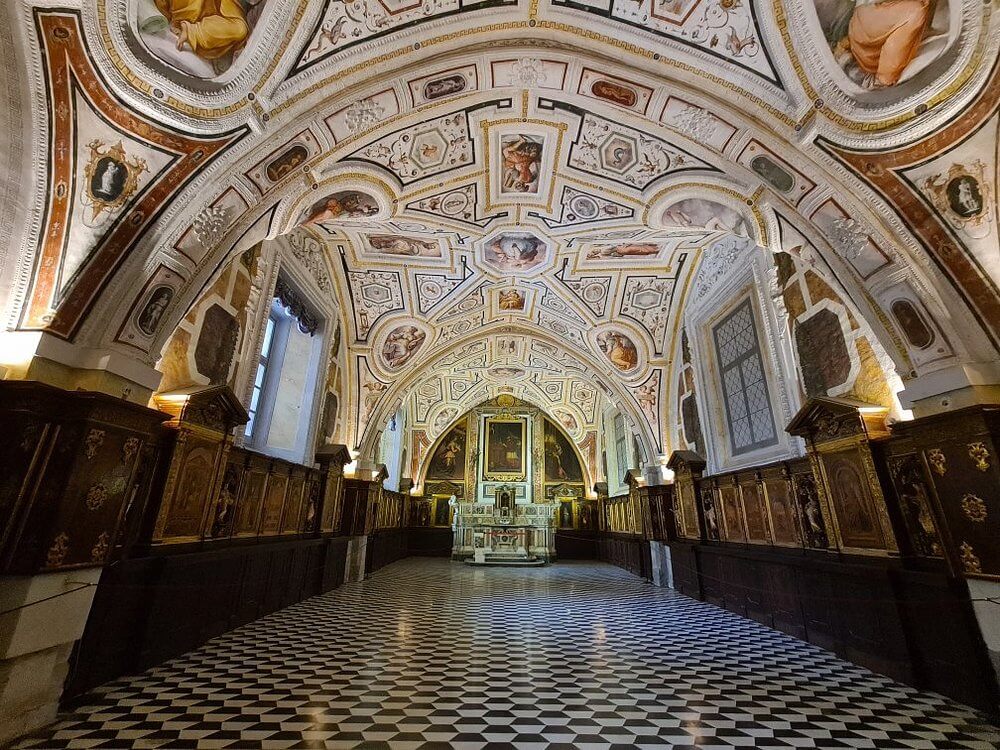
Hello, beautiful souls! Charlotte Dawson here, and today I’m thrilled to take you on a journey to one of Naples’ most intriguing and breathtaking sites – the Museo Cappella Sansevero. This extraordinary chapel, filled with stunning sculptures and mysterious artworks, is a true gem of Italian artistry and ingenuity. Whether you’re an art lover, a history enthusiast, or simply looking to experience the magic of Naples, the Museo Cappella Sansevero is a must-visit destination. Ready to explore? Let’s dive in! 🌟🏛️
A Glimpse into History 📜
The Cappella Sansevero, also known as the Chapel of Santa Maria della Pietà, was originally built in 1590 and later transformed into a Baroque masterpiece by Prince Raimondo di Sangro in the 18th century. The prince, an alchemist, and a scientist, filled the chapel with exquisite sculptures and enigmatic symbols, creating a place where art and mystery intertwine. For more details, visit the official site. 🏰
Arrival and First Impressions 🚶♀️
Getting There
The Museo Cappella Sansevero is located in the heart of Naples’ historic center, just a short walk from Piazza San Domenico Maggiore. You can easily reach it by taking the metro to the "Dante" station and walking a few minutes.
Travel Tip: Naples is very walkable, so take your time to explore the charming streets and vibrant markets as you make your way to the chapel. 🚶♂️👟
First Impressions
As you approach the Cappella Sansevero, the unassuming exterior gives little hint of the wonders that lie within. But as soon as you step inside, you’re greeted by an explosion of artistic brilliance and mysterious beauty.
Highlight: The intricate details of the sculptures and the captivating atmosphere of the chapel. 🌟
Morning: Exploring the Chapel 🌟
The Veiled Christ
Start your visit with the chapel’s most famous artwork, the Veiled Christ (Cristo Velato) by Giuseppe Sanmartino. This stunning marble sculpture depicts Christ lying under a delicate veil, with every fold and crease perfectly rendered in stone.
Photo Opportunity: Although photography is not allowed inside the chapel, take a mental snapshot of the Veiled Christ’s incredible detail and lifelike appearance. 📸
Other Masterpieces
Next, explore the other remarkable sculptures that adorn the chapel. Each piece is a testament to the skill and creativity of the artists who worked under Prince Raimondo’s direction.
Highlight: The Disillusion (Il Disinganno) by Francesco Queirolo, which depicts a man freeing himself from a net, symbolizing the soul’s liberation from sin. 🏛️
Exploration Tip: Take your time to appreciate the details and symbolism in each sculpture, as well as the beautiful frescoes on the ceiling. 🎧
Midday: Dining and Reflections 🌆
Lunch at Pizzeria Gino Sorbillo
For lunch, head to Pizzeria Gino Sorbillo, one of Naples’ most famous pizzerias located nearby. This beloved spot offers some of the best pizza in the city, making it the perfect place to refuel after your morning of exploration.
Menu Highlights: Try the classic Margherita pizza or the rich and savory Diavola, paired with a refreshing local beer. And don’t miss the delicious desserts, like the babà or sfogliatella! 🍕🍺
Culinary Tip: Be prepared for a bit of a wait, as this popular pizzeria often has lines out the door. But trust me, it’s worth it! 🍽️
Afternoon: Surrounding Attractions 🌍
Piazza San Domenico Maggiore
After lunch, take a leisurely stroll to Piazza San Domenico Maggiore, a beautiful square surrounded by historic buildings and bustling with activity. The square is named after the stunning church of San Domenico Maggiore, which is worth a visit.
Highlight: The majestic obelisk in the center of the square and the intricate facade of the church. 🌟
Photo Opportunity: Capture the lively atmosphere of the square and the beautiful architecture of the surrounding buildings. 📸
Spaccanapoli
Next, wander down Spaccanapoli, a narrow street that cuts through the heart of Naples’ historic center. This vibrant street is lined with shops, cafes, and historic sites, offering a true taste of Neapolitan life.
Exploration Tip: Stop by one of the local cafes for an espresso or a gelato and enjoy people-watching as you soak in the bustling atmosphere. 🎧
Evening: Sunset and Reflections 🌅
As the day winds down, find a spot on the waterfront to watch the sunset. The golden light reflecting off the Bay of Naples and the silhouette of Mount Vesuvius in the distance create a magical atmosphere.
Highlight: The view of the sunset over the bay, casting a warm glow over the city and the sea. 🌄
Photo Opportunity: Capture the stunning sunset and the twinkling lights of Naples starting to appear. 📸
Final Thoughts 💭
Visiting the Museo Cappella Sansevero is more than just a trip to a historic site; it’s an immersive experience that brings you closer to the mystery and beauty of Naples. From the awe-inspiring sculptures and fascinating history to the delicious cuisine and vibrant surroundings, every moment at the Cappella Sansevero is filled with wonder and inspiration.
Until next time, keep exploring, stay curious, and let the beauty of history and culture inspire your travels.
Love,
Charlotte 🌍💕
Log In to comment on this post!
Discovering the Heart of Bologna: Piazza Maggiore 🇮🇹✨
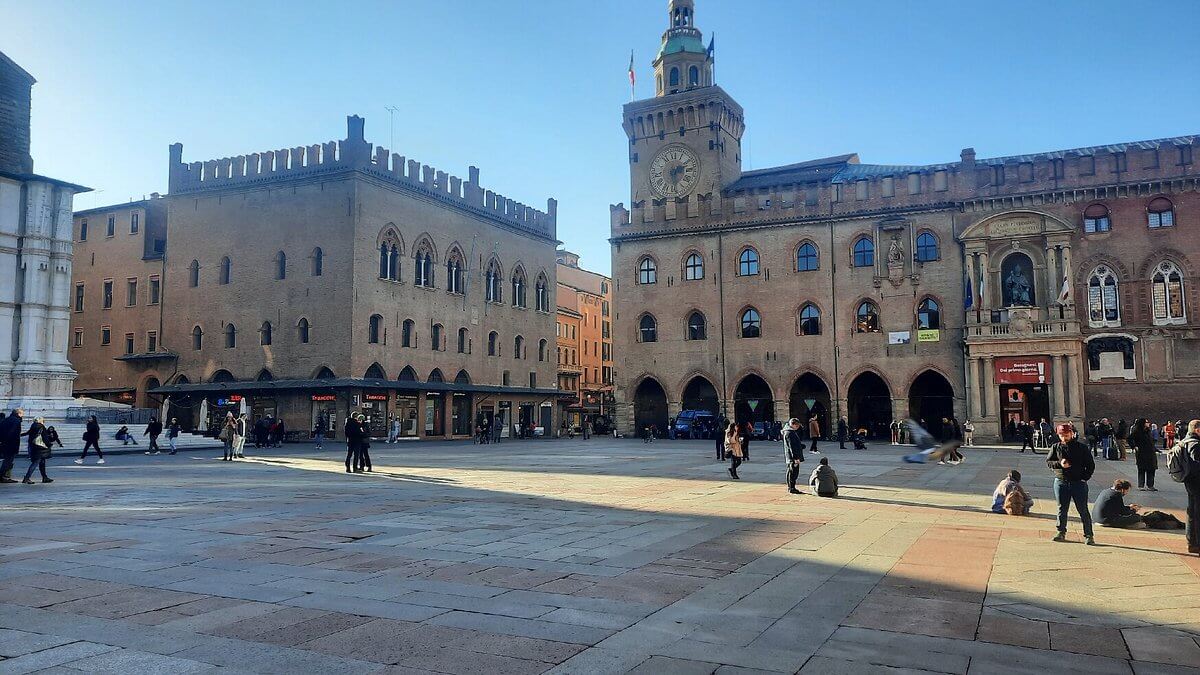
Hey there, fellow travelers! Simon Pitts here, and today I’m taking you to the vibrant and historic heart of Bologna – Piazza Maggiore. This stunning square is a true gem, reflecting the city’s rich history, culture, and architectural beauty. Whether you’re a history buff, a foodie, or just looking to soak in the atmosphere, Piazza Maggiore is a must-visit destination. Ready to explore? Let’s dive in! 🌟🏛️
A Glimpse into History 📜
Piazza Maggiore, located in the center of Bologna, dates back to the 13th century and has been the focal point of city life for centuries. Surrounded by impressive medieval and Renaissance buildings, the square has witnessed countless historical events and remains a hub of activity and culture. For more details, visit the official site. 🏰
Arrival and First Impressions 🚶♂️
Getting There
Piazza Maggiore is easily accessible by foot from most parts of Bologna’s city center. The nearest bus stop is “Piazza Maggiore,” and it’s also a pleasant walk from the Bologna Centrale train station.
Travel Tip: Bologna is very pedestrian-friendly, so take your time to explore the charming streets and vibrant markets as you make your way to the square. 🚶♀️👟
First Impressions
As you step into Piazza Maggiore, the first thing that strikes you is the grandeur and harmony of the surrounding buildings. The square is always buzzing with life, from locals and tourists enjoying a coffee to street performers and markets.
Highlight: The breathtaking view of the Basilica di San Petronio and the elegant medieval buildings that frame the square. 🌟
Morning: Exploring Piazza Maggiore 🌟
Basilica di San Petronio
Start your visit with the Basilica di San Petronio, the largest church in Bologna and one of the largest in the world. Its unfinished facade adds to its unique charm, and the interior is equally impressive with beautiful chapels and stunning frescoes.
Photo Opportunity: Capture the grandeur of the basilica’s facade and the intricate details inside, especially the Meridian Line on the floor. 📸
Palazzo d'Accursio (Palazzo Comunale)
Next, explore the Palazzo d'Accursio, also known as the Palazzo Comunale. This historic building has served as Bologna’s town hall since the 14th century and houses an impressive art collection.
Highlight: The grand staircase and the stunning frescoes in the interior rooms. 🖼️
Exploration Tip: Don’t miss the Civic Art Collection, which features works by renowned artists such as Guido Reni and Ludovico Carracci. 🎧
Midday: Dining and Reflections 🌆
Lunch at Ristorante Diana
For lunch, head to Ristorante Diana, a classic Bolognese restaurant known for its traditional cuisine and elegant atmosphere. This historic spot is perfect for a leisurely meal.
Menu Highlights: Try the tagliatelle al ragù (Bolognese sauce) or the tortellini in brodo (tortellini in broth), paired with a glass of local Lambrusco wine. And don’t miss the zuppa inglese for dessert! 🍝🍷
Culinary Tip: Make a reservation in advance to ensure you get a table, as this restaurant is popular with both locals and tourists. 🍽️
Afternoon: Surrounding Attractions 🌍
Fontana del Nettuno
After lunch, take a short walk to the Fontana del Nettuno, a magnificent fountain located just a few steps from Piazza Maggiore. This stunning fountain, designed by Giambologna, features a bronze statue of Neptune and is a popular meeting spot.
Highlight: The intricate details of the fountain and the powerful figure of Neptune dominating the square. 🌟
Photo Opportunity: Capture the beauty of the fountain and the lively atmosphere around it. 📸
Palazzo Re Enzo
Next, visit the Palazzo Re Enzo, another historic building that forms part of the Piazza Maggiore complex. This medieval palace is named after King Enzo of Sardinia, who was imprisoned here for many years.
Exploration Tip: Check the schedule for any exhibitions or events taking place inside the palace. 🎧
Evening: Sunset and Reflections 🌅
As the day winds down, find a spot in Piazza Maggiore to watch the sunset. The golden light reflecting off the historic buildings creates a magical atmosphere.
Highlight: The view of the sunset over the Basilica di San Petronio and the surrounding buildings, casting a warm glow over the square. 🌄
Photo Opportunity: Capture the stunning sunset and the twinkling lights of Bologna starting to appear. 📸
Final Thoughts 💭
Visiting Piazza Maggiore is more than just a trip to a historic square; it’s an immersive experience that brings you closer to the rich history and vibrant culture of Bologna. From the awe-inspiring architecture and fascinating history to the delicious cuisine and lively surroundings, every moment in Piazza Maggiore is filled with wonder and inspiration.
Until next time, keep exploring, stay curious, and let the beauty of history and culture inspire your travels.
Cheers,
Simon Pitts 🌍✨
Log In to comment on this post!
Discovering the Majestic Duomo di Milano in Milan, Italy 🇮🇹✨
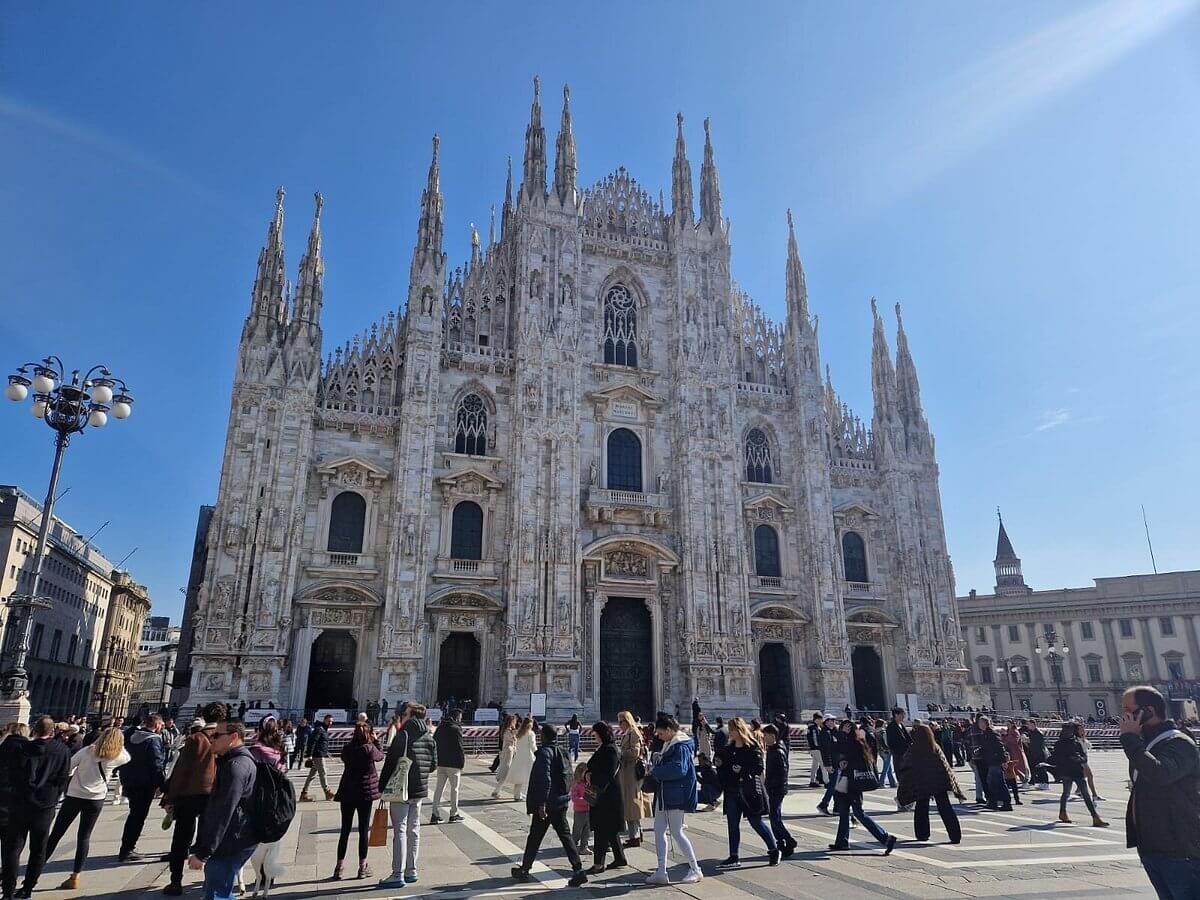
Hey everyone! It’s Brian and Aubrey here, and today we’re excited to take you on a journey to one of the most iconic and breathtaking landmarks in Italy – the Duomo di Milano. This magnificent Gothic cathedral is the heart of Milan and a must-visit for anyone exploring the city. Whether you’re a history lover, an architecture enthusiast, or simply looking to experience the grandeur of Milan, the Duomo di Milano offers an unforgettable experience. Ready to explore? Let’s dive in! 🌟🏛️
A Glimpse into History 📜
The Duomo di Milano, also known as the Milan Cathedral, is one of the largest churches in the world and took nearly six centuries to complete. Construction began in 1386 and was finally completed in 1965. The cathedral is dedicated to St. Mary of the Nativity and is an architectural masterpiece that showcases intricate Gothic design, beautiful stained glass windows, and an impressive array of statues and spires. For more details, visit the official site. 🏰
Arrival and First Impressions 🚶♀️
Getting There
The Duomo di Milano is centrally located in Piazza del Duomo, which is easily accessible by metro, tram, or bus. The nearest metro station is "Duomo."
Travel Tip: Milan is a very walkable city, so take your time to explore the surrounding streets and enjoy the vibrant atmosphere as you make your way to the cathedral. 🚶♂️👟
First Impressions
As you approach the Duomo, the first thing that strikes you is its sheer size and the intricate details of its facade. The white marble exterior, adorned with countless statues and spires, is truly awe-inspiring.
Highlight: The magnificent facade and the impressive spires that reach towards the sky, creating a stunning visual impact. 🌟
Morning: Exploring the Duomo 🌟
The Interior
Start your visit by exploring the interior of the Duomo. The vast nave, soaring ceilings, and beautiful stained glass windows create a serene and majestic atmosphere.
Photo Opportunity: Capture the stunning stained glass windows and the intricate details of the interior. 📸
The Rooftop
Next, take the elevator or climb the stairs to the rooftop of the Duomo for a breathtaking view of Milan. Walking among the spires and statues, you’ll feel like you’re on top of the world.
Highlight: The panoramic view of Milan and the chance to see the intricate details of the spires up close. 🏛️
Exploration Tip: Visit early in the morning to avoid the crowds and enjoy a peaceful experience on the rooftop. 🎧
Midday: Dining and Reflections 🌆
Lunch at Spazio
For lunch, head to Spazio, a trendy restaurant located nearby with stunning views of the Duomo. This chic spot offers a delicious menu of contemporary Italian cuisine.
Menu Highlights: Try the risotto alla Milanese or the osso buco, paired with a glass of local Lombardy wine. And don’t miss the panna cotta for dessert! 🍝🍷
Culinary Tip: Make a reservation in advance to secure a table with a view of the Duomo. 🍽️
Afternoon: Surrounding Attractions 🌍
Galleria Vittorio Emanuele II
After lunch, explore the nearby Galleria Vittorio Emanuele II, one of the world’s oldest shopping malls. This stunning arcade is home to luxury boutiques, cafes, and beautiful mosaics.
Highlight: The stunning glass dome and the intricate floor mosaics depicting the symbols of Italian cities. 🏛️
Photo Opportunity: Capture the grandeur of the arcade and the beautiful details of the architecture. 📸
Teatro alla Scala
Next, visit the famous Teatro alla Scala, one of the most renowned opera houses in the world. Even if you’re not attending a performance, the museum inside offers a fascinating look into the history of opera.
Exploration Tip: Check the schedule for guided tours to get a behind-the-scenes look at the theater. 🎧
Evening: Sunset and Reflections 🌅
As the day winds down, find a spot in Piazza del Duomo to watch the sunset. The golden light reflecting off the marble facade of the Duomo creates a magical atmosphere.
Highlight: The view of the Duomo at sunset, casting a warm glow over its majestic facade. 🌄
Photo Opportunity: Capture the stunning sunset and the twinkling lights of the city starting to appear. 📸
Final Thoughts 💭
Visiting the Duomo di Milano is more than just a trip to a historic site; it’s an immersive experience that brings you closer to the grandeur and history of Milan. From the awe-inspiring architecture and fascinating history to the delicious cuisine and vibrant surroundings, every moment at the Duomo di Milano is filled with wonder and inspiration.
Until next time, keep exploring, stay curious, and let the beauty of history and culture inspire your travels.
Love,
Brian and Aubrey 🌍💕
Log In to comment on this post!
Exploring the Ancient Wonders of the Colosseum in Rome, Italy 🇮🇹✨
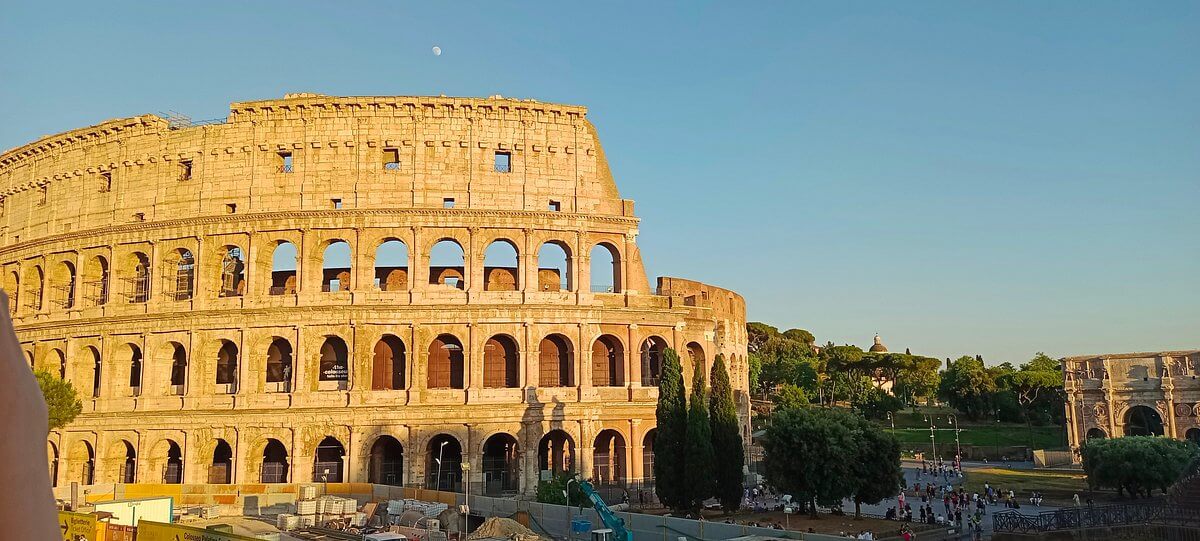
Hello, beautiful souls! Charlotte Dawson here, and today I’m thrilled to take you on an incredible journey to one of the most iconic landmarks in the world – the Colosseum in Rome. This ancient amphitheater is a symbol of the grandeur of the Roman Empire and offers a fascinating glimpse into the past. Whether you’re a history buff, an architecture enthusiast, or simply looking to soak in the atmosphere of ancient Rome, the Colosseum is a must-visit destination. Ready to explore? Let’s dive in! 🌟🏛️
A Glimpse into History 📜
The Colosseum, also known as the Flavian Amphitheatre, was commissioned in AD 70-72 by Emperor Vespasian and completed in AD 80 by his son Titus. This magnificent structure could hold up to 80,000 spectators and was used for gladiatorial contests, public spectacles, and dramas. Despite the ravages of time, earthquakes, and stone-robbers, the Colosseum remains a testament to the architectural and engineering prowess of ancient Rome. For more details, visit the official site. 🏰
Arrival and First Impressions 🚶♀️
Getting There
You can easily reach the Colosseum by taking the metro to the "Colosseo" station. The amphitheater is centrally located and well-signposted, making it easy to find.
Travel Tip: Rome is very walkable, so wear comfortable shoes and take your time to explore the surrounding areas. 🚶♂️👟
First Impressions
As you approach the Colosseum, the first thing that strikes you is its sheer size and the impressive stone structure that has stood the test of time. The grandeur of this ancient amphitheater is truly awe-inspiring.
Highlight: The massive arches and the intricate details of the exterior, which hint at the splendor that lies within. 🌟
Morning: Exploring the Colosseum 🌟
The Interior
Start your visit by exploring the interior of the Colosseum. Walking through the ancient corridors and standing in the arena where gladiators once fought gives you a real sense of history.
Photo Opportunity: Capture the stunning views of the arena floor and the tiers of seating that once held thousands of spectators. 📸
Guided Tours
Consider joining a guided tour to learn more about the history and significance of the Colosseum. Knowledgeable guides provide fascinating insights into the structure’s construction, its use in ancient times, and the lives of those who participated in the events held here.
Highlight: The stories and anecdotes shared by the guides, which bring the Colosseum’s rich history to life. 🏛️
Exploration Tip: Book your tour in advance to avoid long lines and ensure you get a spot. 🎧
Midday: Dining and Reflections 🌆
Lunch at La Taverna dei Fori Imperiali
For lunch, head to La Taverna dei Fori Imperiali, a charming restaurant located just a short walk from the Colosseum. This cozy spot offers delicious Roman cuisine and a warm atmosphere.
Menu Highlights: Try the cacio e pepe (cheese and pepper pasta) or the saltimbocca alla Romana (veal with prosciutto and sage), paired with a glass of local wine. And don’t miss the tiramisu for dessert! 🍝🍷
Culinary Tip: Make a reservation in advance to secure a table, as this restaurant is popular with both locals and tourists. 🍽️
Afternoon: Surrounding Attractions 🌍
The Roman Forum
After lunch, take a short walk to the nearby Roman Forum, the heart of ancient Rome. This sprawling archaeological site is filled with the ruins of important government buildings, temples, and markets.
Highlight: The impressive remains of the Temple of Saturn and the Arch of Titus, which offer a glimpse into the grandeur of ancient Rome. 🏛️
Photo Opportunity: Capture the stunning views of the Forum from the top of Palatine Hill. 📸
Palatine Hill
Next, explore Palatine Hill, one of the most ancient parts of the city. According to Roman mythology, this is where Romulus founded Rome. The hill offers beautiful gardens, ancient ruins, and panoramic views of the city.
Exploration Tip: Don’t miss the Farnese Gardens and the House of Augustus for a deeper dive into Rome’s history. 🎧
Evening: Sunset and Reflections 🌅
As the day winds down, find a spot near the Colosseum or on one of Rome’s many scenic hills to watch the sunset. The golden light reflecting off the ancient stones creates a magical atmosphere.
Highlight: The view of the Colosseum at sunset, casting a warm glow over its majestic arches. 🌄
Photo Opportunity: Capture the stunning sunset and the twinkling lights of Rome starting to appear. 📸
Final Thoughts 💭
Visiting the Colosseum is more than just a trip to a historic site; it’s an immersive experience that brings you closer to the grandeur and history of ancient Rome. From the awe-inspiring architecture and fascinating history to the delicious cuisine and vibrant surroundings, every moment at the Colosseum is filled with wonder and inspiration.
Until next time, keep exploring, stay curious, and let the beauty of history and culture inspire your travels.
Love,
Charlotte 🌍💕
Log In to comment on this post!
Discovering the Majestic Cattedrale di Palermo in Palermo, Italy 🇮🇹✨
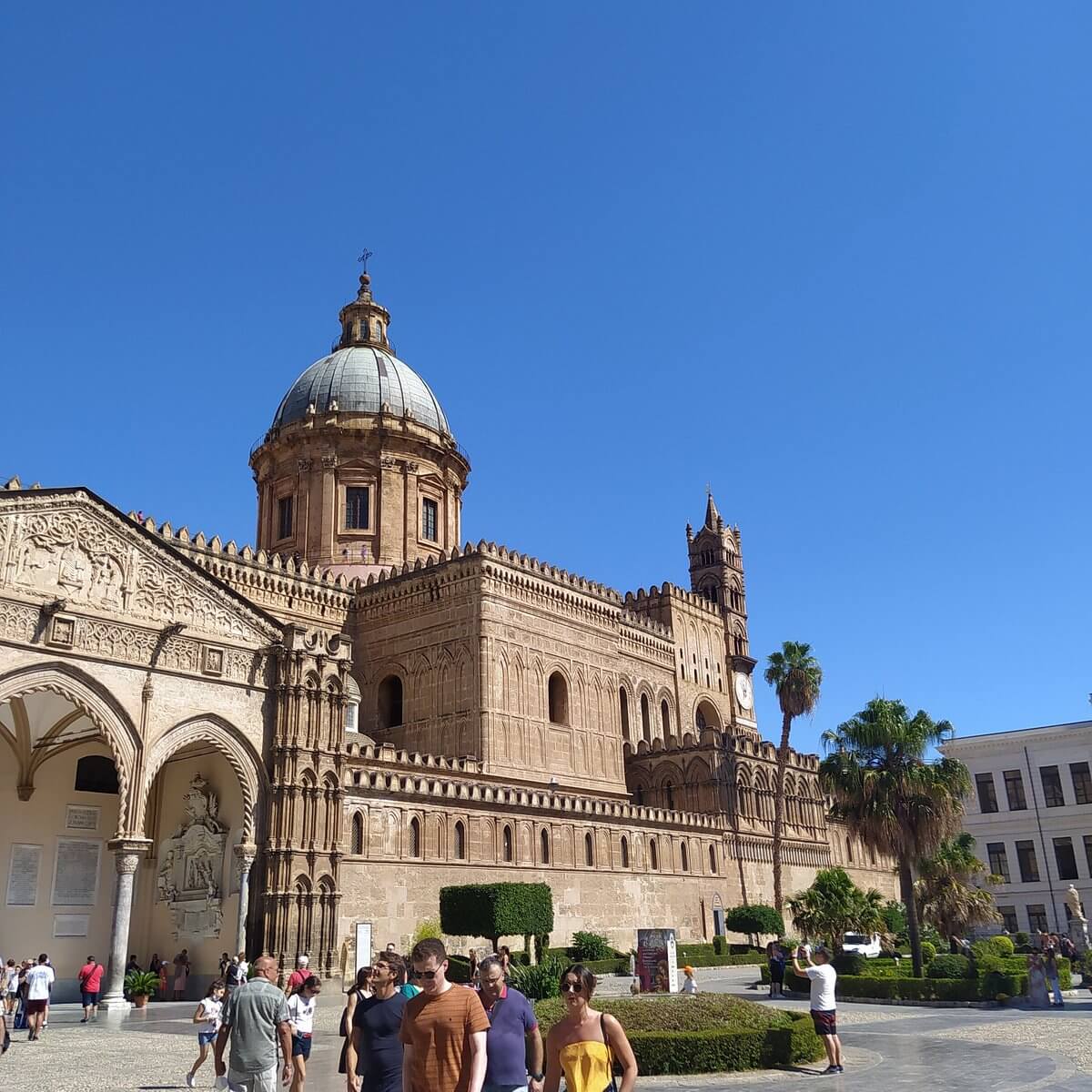
Hey there, fellow travelers! Simon Pitts here, and today we’re exploring the breathtaking Cattedrale di Palermo, a stunning masterpiece of Norman architecture and one of the most important religious sites in Sicily. This cathedral, with its rich history and magnificent design, is a must-visit for anyone traveling to Palermo. Whether you’re a history buff, an architecture enthusiast, or simply love exploring beautiful places, the Cattedrale di Palermo has something for everyone. Ready to dive in? Let’s go! 🌟🏛️
A Glimpse into History 📜
The Cattedrale di Palermo, officially known as the Metropolitan Cathedral of the Assumption of the Virgin Mary, was founded in 1185. It has undergone numerous transformations over the centuries, reflecting a mix of architectural styles, including Norman, Gothic, Baroque, and Neoclassical. This eclectic blend gives the cathedral its unique charm and historical significance. For more details, visit the official site. 🏰
Arrival and First Impressions 🚶♂️
Getting There
The Cattedrale di Palermo is centrally located and easily accessible by foot from most parts of the city. If you’re using public transport, the nearest bus stop is just a short walk away.
Travel Tip: Palermo is very pedestrian-friendly, so take your time to explore the charming streets and vibrant markets as you make your way to the cathedral. 🚶♀️👟
First Impressions
As you approach the Cattedrale di Palermo, the first thing that strikes you is its grandeur and the intricate details of its facade. The combination of different architectural styles creates a stunning visual impact that’s truly awe-inspiring.
Highlight: The majestic towers and the beautifully detailed main entrance, which set the stage for the wonders inside. 🌟
Morning: Exploring the Cathedral 🌟
The Exterior
Start your visit by walking around the exterior of the cathedral to fully appreciate its architectural beauty. The combination of Norman arches, Gothic spires, and Baroque decorations tells the story of its rich history.
Photo Opportunity: Capture the stunning details of the facade and the dramatic contrast between the different architectural elements. 📸
The Interior
Step inside to explore the vast and ornate interior of the cathedral. The high vaulted ceilings, intricate mosaics, and grand altars create a serene and majestic atmosphere.
Highlight: The Capella delle Reliquie (Chapel of Relics), which houses the remains of Saint Rosalia, the patron saint of Palermo. 🏛️
Exploration Tip: Don’t miss the crypt, where you’ll find the tombs of several Norman kings and emperors. 🎧
Midday: Dining and Reflections 🌆
Lunch at Antica Focacceria San Francesco
For lunch, head to Antica Focacceria San Francesco, a historic eatery known for its delicious Sicilian cuisine. This charming spot offers a perfect blend of traditional flavors and a cozy atmosphere.
Menu Highlights: Try the arancini (rice balls), panelle (chickpea fritters), and a classic Sicilian cannolo for dessert. Pair it with a refreshing glass of local wine. 🍝🍷
Culinary Tip: Enjoy your meal outside on the terrace to soak in the lively atmosphere of Palermo’s streets. 🍽️
Afternoon: Surrounding Attractions 🌍
Palazzo dei Normanni
After lunch, take a short walk to the Palazzo dei Normanni, also known as the Royal Palace of Palermo. This historic palace is one of the oldest royal residences in Europe and now houses the Sicilian Regional Assembly.
Highlight: The Palatine Chapel, a stunning example of Arab-Norman-Byzantine architecture with exquisite mosaics and a richly decorated interior. 🖼️
Photo Opportunity: Capture the opulence of the Palatine Chapel and the beautiful gardens surrounding the palace. 📸
Quattro Canti
Next, visit Quattro Canti, also known as Piazza Vigliena. This beautiful Baroque square is located at the intersection of Palermo’s two main streets and features stunningly decorated facades on all four corners.
Highlight: The intricate statues and fountains that adorn each corner of the square, representing the four seasons, four Spanish kings, and four patron saints of Palermo. 🌟
Exploration Tip: Take your time to appreciate the details and enjoy the lively atmosphere of this historic square. 🎧
Evening: Sunset and Reflections 🌅
As the day winds down, find a spot near the cathedral or in one of Palermo’s charming squares to watch the sunset. The golden light reflecting off the historic buildings creates a magical atmosphere.
Highlight: The view of the sunset over the Cattedrale di Palermo, casting a warm glow over its majestic towers and intricate facade. 🌄
Photo Opportunity: Capture the stunning sunset and the twinkling lights of the city starting to appear. 📸
Final Thoughts 💭
Visiting the Cattedrale di Palermo is more than just a trip to a historic site; it’s an immersive experience in the heart of Sicily’s rich cultural heritage. From the majestic architecture and fascinating history to the delicious cuisine and vibrant surroundings, every moment at the Cattedrale di Palermo is filled with wonder and inspiration.
Until next time, keep exploring, stay curious, and let the beauty of history and culture inspire your travels.
Cheers,
Simon Pitts 🌍✨
Log In to comment on this post!
Discovering the Magic of Canal Grande in Venice, Italy 🇮🇹✨
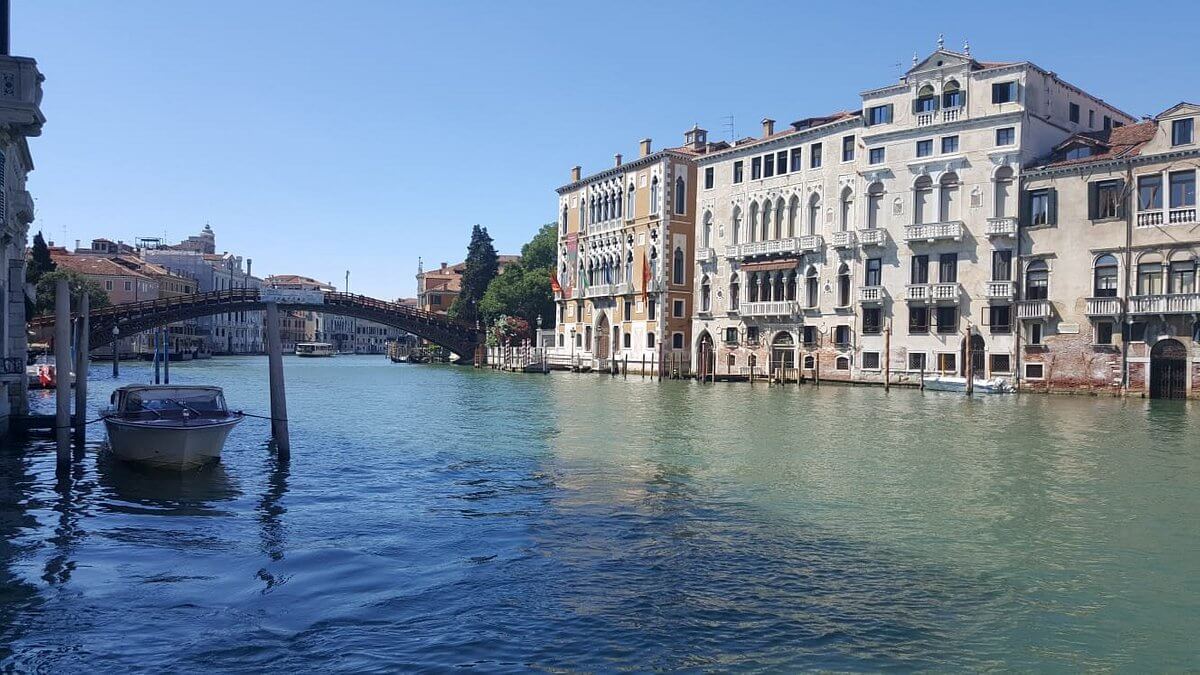
Hey everyone! It’s Brian and Aubrey here, and today we’re taking you on a romantic journey through one of the most iconic and enchanting waterways in the world – the Canal Grande in Venice. This stunning canal, winding through the heart of Venice, is lined with magnificent palaces and bustling with gondolas and vaporettos. Whether you’re a history lover, a romantic at heart, or just eager to soak in the Venetian atmosphere, the Canal Grande offers a truly unforgettable experience. Ready to explore? Let’s dive in! 🌟🛶
A Glimpse into History 📜
The Canal Grande, or Grand Canal, is the main waterway of Venice, stretching about 3.8 kilometers and curving through the city in an S-shape. Its history dates back to ancient times, serving as a major thoroughfare for trade and transportation. The canal is flanked by more than 170 buildings, most of which were built between the 13th and 18th centuries. These palazzos reflect the wealth and power of the Venetian Republic during its golden age. For more details, visit the official site. 🏰
Arrival and First Impressions 🚶♀️
Getting There
You can reach the Canal Grande easily from any part of Venice. The best way to explore it is by taking a vaporetto (water bus) or a traditional gondola ride. The main vaporetto lines that navigate the Canal Grande are Line 1 and Line 2.
Travel Tip: Purchase a day pass for the vaporettos if you plan on hopping on and off throughout the day. 🚤🛶
First Impressions
As you step onto a vaporetto or gondola and glide onto the Canal Grande, the first thing that strikes you is the grandeur of the palazzos lining the canal. Each building tells a story of Venice’s rich history and architectural beauty.
Highlight: The stunning views of the canal, with its bustling activity and the elegant facades of historic buildings. 🌟
Morning: Exploring the Canal 🌟
Rialto Bridge
Start your journey at the iconic Rialto Bridge, one of the most famous landmarks in Venice. This beautiful stone bridge, completed in 1591, offers spectacular views of the Canal Grande and is lined with shops selling everything from jewelry to souvenirs.
Photo Opportunity: Capture the breathtaking views from the top of the Rialto Bridge, with gondolas and vaporettos passing beneath you. 📸
Palazzo Ca' d'Oro
Next, visit the Palazzo Ca' d'Oro, also known as the Golden House. This stunning Gothic palace is one of the most beautiful buildings along the Canal Grande and now houses an art museum.
Highlight: The intricate facade and the beautiful art collection inside, including works by Titian and Van Dyck. 🖼️
Exploration Tip: Take your time exploring the museum and enjoying the views from the palace’s balconies. 🎧
Midday: Dining and Reflections 🌆
Lunch at Trattoria alla Madonna
For lunch, head to Trattoria alla Madonna, a popular restaurant located near the Rialto Bridge. This charming spot offers delicious Venetian cuisine and a cozy atmosphere.
Menu Highlights: Try the risotto al nero di seppia (squid ink risotto) or the fritto misto (mixed fried seafood), paired with a glass of local prosecco. And don’t miss the tiramisu for dessert! 🍝🍷
Culinary Tip: Make a reservation in advance to secure a table, as this restaurant is often busy. 🍽️
Afternoon: Surrounding Attractions 🌍
Basilica di Santa Maria della Salute
After lunch, take a vaporetto to the Basilica di Santa Maria della Salute, a stunning baroque church located at the entrance of the Canal Grande. This beautiful basilica was built in the 17th century as a votive offering to the Virgin Mary for delivering the city from the plague.
Highlight: The impressive dome and the stunning interior, filled with artworks by Titian and Tintoretto. 🏛️
Photo Opportunity: Capture the breathtaking views of the basilica from across the canal, especially at sunset. 📸
Peggy Guggenheim Collection
Next, visit the Peggy Guggenheim Collection, located in the Palazzo Venier dei Leoni along the Canal Grande. This modern art museum houses an impressive collection of works by artists such as Picasso, Pollock, and Dalí.
Highlight: The beautiful sculpture garden and the diverse art collection inside. 🎨
Exploration Tip: Spend some time in the garden, enjoying the peaceful ambiance and the views of the canal. 🌳
Evening: Sunset and Reflections 🌅
As the day winds down, find a spot along the canal or on a vaporetto to watch the sunset. The golden light reflecting off the water and the historic buildings creates a magical atmosphere.
Highlight: The view of the sunset over the Canal Grande, casting a warm glow over the city. 🌄
Photo Opportunity: Capture the stunning sunset and the twinkling lights of Venice starting to appear. 📸
Final Thoughts 💭
Visiting the Canal Grande is more than just a sightseeing trip; it’s an immersive experience in the heart of Venice’s rich history and vibrant culture. From the iconic Rialto Bridge and the stunning palazzos to the delicious cuisine and world-class art, every moment on the Canal Grande is filled with wonder and inspiration.
Until next time, keep exploring, stay curious, and let the beauty of history and culture inspire your travels.
Love,
Brian and Aubrey 🌍💕
Log In to comment on this post!
Exploring the Timeless Beauty of the Arena di Verona in Verona, Italy 🇮🇹✨
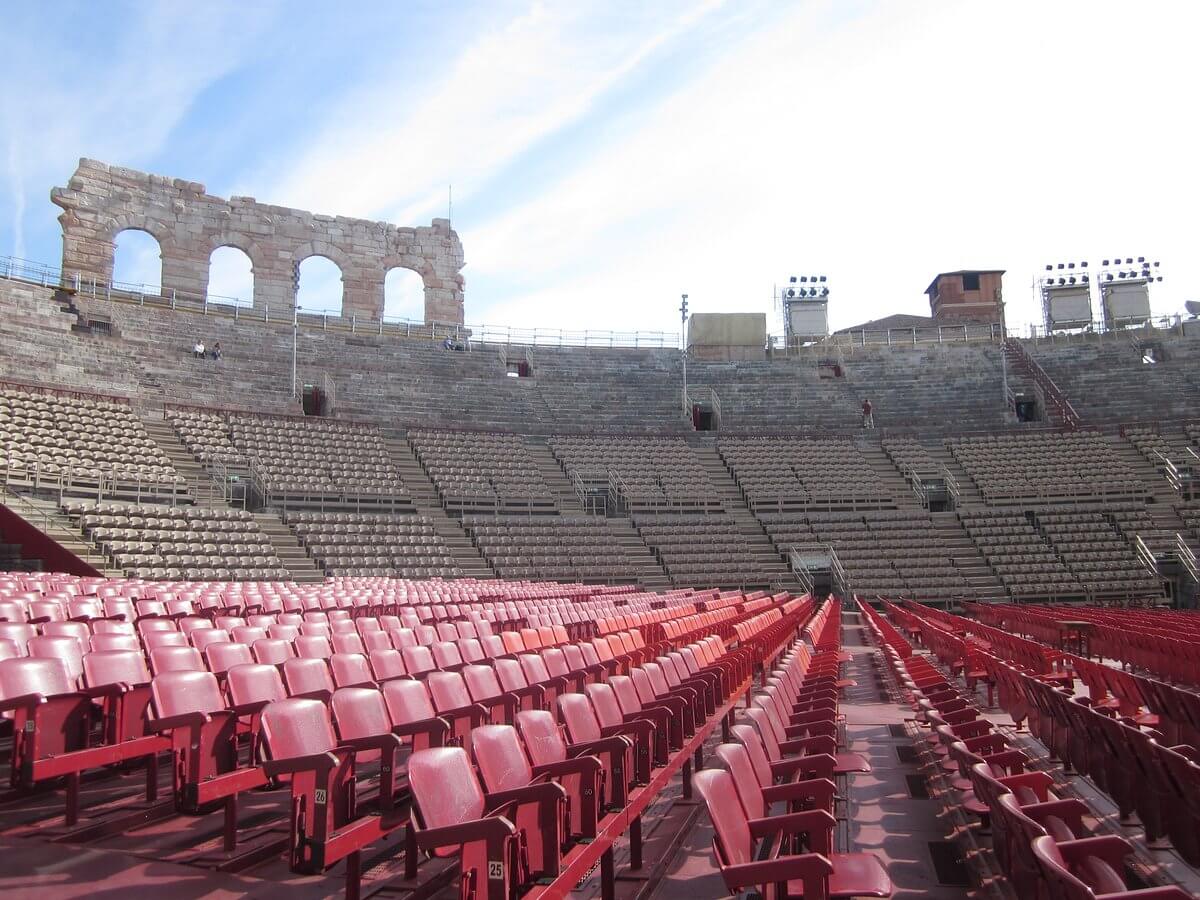
Hello, beautiful souls! Charlotte Dawson here, and today I’m taking you on an enchanting journey to one of Italy’s most iconic landmarks – the Arena di Verona. This ancient Roman amphitheater is not only a testament to incredible architectural prowess but also a cultural hub that continues to inspire awe with its grandeur and history. Whether you’re a history lover, an opera enthusiast, or simply looking to soak in the atmosphere, the Arena di Verona is a must-visit destination. Ready to explore? Let’s dive in! 🌟🏛️
A Glimpse into History 📜
The Arena di Verona, built in 30 AD, is one of the best-preserved Roman amphitheaters in the world. Originally constructed to host gladiatorial contests and large-scale public events, it has a seating capacity of about 30,000 spectators. Today, it is renowned for its summer opera season, where spectacular performances are held under the stars. The Arena’s history and architectural brilliance make it a remarkable symbol of Verona’s rich heritage. For more details, visit the official site. 🏰
Arrival and First Impressions 🚶♀️
Getting There
The Arena di Verona is conveniently located in the heart of Verona’s historic center. You can reach it easily by walking from Piazza Bra or by taking a short bus ride.
Travel Tip: Verona is very pedestrian-friendly, so take your time to enjoy the charming streets and squares as you make your way to the Arena. 🚶♂️👟
First Impressions
As you approach the Arena di Verona, the first thing that strikes you is its immense size and the impressive stone structure that has stood the test of time. The bustling Piazza Bra in front of the Arena adds to the lively atmosphere.
Highlight: The sheer grandeur of the Arena’s exterior, with its imposing arches and ancient stonework. 🌟
Morning: Exploring the Arena 🌟
The Arena Interior
Start your visit by exploring the interior of the Arena. Walking through the ancient arches and seating areas, you can almost hear the echoes of history and imagine the grand spectacles that took place here.
Photo Opportunity: Capture the vastness of the Arena’s interior and the intricate details of the ancient stonework. 📸
Guided Tours
Consider joining a guided tour to learn more about the history and significance of the Arena. Knowledgeable guides provide fascinating insights into the Arena’s construction, its role in Roman times, and its transformation into a world-renowned opera venue.
Highlight: The stories and anecdotes shared by the guides, bringing the Arena’s rich history to life. 🏛️
Exploration Tip: Check the schedule for available tours and book in advance to ensure a spot. 🎧
Midday: Dining and Reflections 🌆
Lunch at Ristorante Maffei
For lunch, head to Ristorante Maffei, a beautiful restaurant located in a historic palace near the Arena. This elegant spot offers a delightful menu of Italian cuisine, perfect for a midday break.
Menu Highlights: Try the risotto all'Amarone or the tagliatelle al tartufo, paired with a glass of local Valpolicella wine. And don’t miss the tiramisu for dessert! 🍝🍷
Culinary Tip: Enjoy your meal on the terrace for a view of the bustling streets and the historic surroundings. 🍽️
Afternoon: Surrounding Attractions 🌍
Piazza delle Erbe
After lunch, take a leisurely stroll to Piazza delle Erbe, one of Verona’s most charming squares. This lively marketplace is filled with colorful stalls, historic buildings, and beautiful fountains.
Highlight: The Torre dei Lamberti, which offers a panoramic view of Verona from its top. 🏙️
Photo Opportunity: Capture the vibrant market scenes and the stunning architecture surrounding the square. 📸
Juliet’s House (Casa di Giulietta)
No visit to Verona is complete without a visit to Juliet’s House. This 14th-century house is said to have inspired Shakespeare’s famous love story, and it features the iconic balcony and a museum dedicated to the tale of Romeo and Juliet.
Highlight: The romantic atmosphere and the chance to stand on Juliet’s balcony. 💕
Exploration Tip: Visit early to avoid the crowds and take your time exploring the museum. 🕊️
Evening: Opera Under the Stars 🌅
As the evening approaches, head back to the Arena di Verona for an unforgettable opera experience. The summer opera season at the Arena is world-renowned, and attending a performance here is truly magical.
Highlight: The stunning acoustics and the atmosphere of watching an opera under the stars in an ancient Roman amphitheater. 🎶
Photo Opportunity: Capture the illuminated Arena and the grand spectacle of the opera performance. 📸
Final Thoughts 💭
Visiting the Arena di Verona is more than just a trip to a historic site; it’s an immersive experience in the heart of Verona’s cultural and historical heritage. From the awe-inspiring architecture and fascinating history to the vibrant surrounding attractions and unforgettable opera performances, every moment at the Arena di Verona is filled with wonder and inspiration.
Until next time, keep exploring, stay curious, and let the beauty of history and culture inspire your travels.
Love,
Charlotte 🌍💕
Log In to comment on this post!

Introduce Yourself to the Community

Hi members,
We're so happy you’ve joined us! Please take a moment to introduce yourself to the community.
We’d love to learn more about you. Share with us:
- Where you’re from: Tell us about your hometown or current location.
- Why you joined the community: What drew you to our Community? What are you hoping to share or discover here?
Feel free to leave your introduction in the comments below. We’re excited to get to know you and to see the wonderful contributions you’ll make to our community.
Welcome aboard!
Warm regards, the Visit Italy team
Log In to comment on this post!
Community Guidelines

1. Purpose and Mission
Our mission is to create a welcoming and engaging environment where people from all around the world and locals can share their experiences, make recommendations, and connect with others interested in tourism. We aim to foster positive interactions and valuable discussions about places to visit, eat, stay, and enjoy local attractions and events.
2. Respectful Communication
- Be Respectful: Treat all members with respect and courtesy. Any form of harassment, hate speech, or discriminatory remarks based on race, ethnicity, religion, gender, disability, sexual orientation, or political beliefs will not be tolerated.
- Language Use: Use appropriate language. Profanity, defamatory, offensive, or violent language is prohibited.
- Constructive Discussions: Engage in constructive discussions and avoid trolling or deliberately disruptive comments.
3. Content Guidelines
- Quality Content: Share high-quality, relevant content. This includes blog posts, text, photos, recipes, videos, and various types of polls.
- No Spam: Avoid posting spam, advertisements, or irrelevant content. Promotion of competing products, services, or brands is not allowed.
- Accuracy: Ensure that the information you share is accurate and helpful. Misleading or false information will be removed.
4. Privacy and Safety
- Personal Information: Do not share personal information about yourself or others without consent. Respect everyone’s privacy.
- Safety: Do not post content that could lead to physical harm or promote illegal activities.
5. Monetization and Advertising
- Paywalls and Paid Groups: Utilize the various content types available, including blog posts, videos, photos, recipes, and polls. Embed content like YouTube videos and audio files to enrich the community experience.
- Advertisements: Advertisers can place their products or services in the appropriate niche within the community. Ensure that advertisements are relevant and non-intrusive.
6. Content Types and Listings
- Variety of Posts: We support the use of paywalls and paid-access groups. Ensure that these are used to enhance the community experience and provide value.
- Listings: Use listings to share recommendations on places to visit, eat, stay, and enjoy local attractions and events.
7. Enforcement and Moderation
- Report Violations: Report any content or behavior that violates these guidelines. Our moderation team reviews reports and takes appropriate action.
- Consequences: Violations may result in content removal, temporary account suspension, or permanent account ban, depending on the severity and frequency of the violations.
8. Feedback and Updates
- Community Feedback: We value your feedback and encourage you to share your thoughts on how we can improve our community guidelines and overall experience.
- Regular Reviews: These guidelines will be reviewed and updated regularly to ensure they remain relevant and effective.
By following these guidelines, we can create a vibrant and supportive community that enhances the tourism experience for everyone involved.
Regards,
The Visit Italy Team
Log In to comment on this post!
Welcome to our Community

Hello and a warm welcome to our community! We are thrilled to have you here and excited about the experiences, tips, and stories you’ll bring to our community.
This community is all about connecting people from around the world who share a passion for local tourism, culinary adventures, cultural events and sharing their experiences with everyone.
Our goal is to create a space where everyone can share their unique perspectives, recommendations, and insights.
Dive in, explore, and make the most of the rich content and conversations happening here. Your participation will help make our community even more vibrant and valuable.
Once again, welcome to our community! We’re delighted to have you with us.
Best Regards,
The Visit Italy Team
Log In to comment on this post!